
Matcha benefits: what the green stuff actually does
August 20, 2026 · 6 min read · by Cloud Cafe
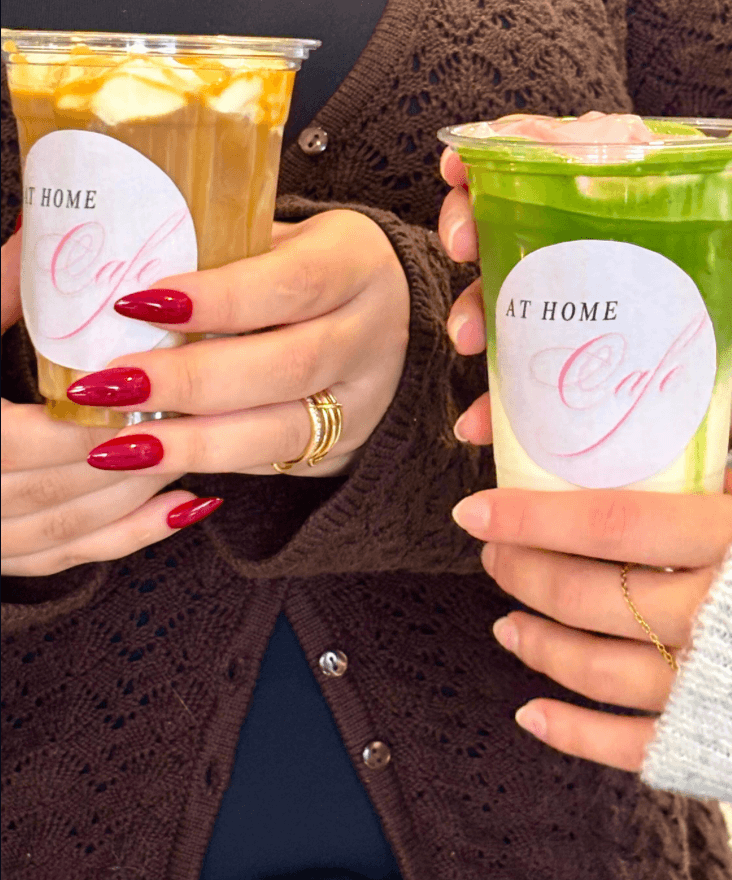
People switch to matcha for a lot of reasons (the taste, the ritual, the colour), but the one we hear most at the cart is the energy. Matcha wakes you up like coffee does, minus the jitters and the 2 p.m. crash. Here's what's actually going on in the bowl.
Calm energy: caffeine + L-theanine
A serving of matcha carries roughly 60–70 mg of caffeine, comparable to a small coffee. The difference is L-theanine, an amino acid concentrated in shade-grown tea leaves. L-theanine promotes relaxed alertness and smooths out caffeine's spike, so the energy arrives gently, lasts for hours, and tapers off without a crash. It's why monks have used matcha before long meditation sessions for centuries.
You drink the whole leaf
With steeped green tea, you extract some of the leaf's compounds and throw the rest away. With matcha, the entire leaf is stone-ground into the powder you whisk and drink, so you consume dramatically more of everything the leaf contains: antioxidants, chlorophyll, fibre, and L-theanine.
The antioxidant story
Matcha is exceptionally rich in catechins, a family of antioxidants, particularly EGCG (epigallocatechin gallate), the most studied of the group. Antioxidants help neutralize free radicals, and research has explored EGCG's role in supporting metabolism, heart health, and healthy inflammation responses. Matcha's shade-growing process also boosts chlorophyll, which gives it that unmistakable green.
Matcha vs coffee
- Caffeine: matcha ~60–70 mg per serving; coffee ~95–120 mg per cup
- Energy curve: matcha releases slowly over 3–4 hours; coffee spikes fast and drops fast
- Jitters and crash: rare with matcha thanks to L-theanine; common with coffee on an empty stomach
- Acidity: matcha is gentle on the stomach; coffee can be harsh
- Ritual: whisking a bowl of matcha takes ninety seconds and genuinely slows your morning down, in a good way
The easiest way to try it
If you're matcha-curious in Halifax, find our cart at an event or pop-up; the strawberry cloud matcha is the gateway drink, and we'll happily talk grades and whisking technique while we pour. Or grab one of our ceremonial matcha bags and start the ritual at home.
Frequently asked questions
Does matcha have more caffeine than coffee?
No. A typical serving of matcha has about 60–70 mg of caffeine versus 95–120 mg in a cup of coffee. But matcha's caffeine releases more slowly, so the energy feels steadier and lasts longer.
Why doesn't matcha give you the jitters?
Matcha is rich in L-theanine, an amino acid that promotes calm alertness and counterbalances caffeine's spike. The combination produces focused energy without the anxious edge coffee can bring.
Is it okay to drink matcha every day?
For most people, one or two servings a day is a very normal habit; it's how matcha has been enjoyed in Japan for centuries. As with anything caffeinated, listen to your body and check with a professional if you're unsure.
What is EGCG?
EGCG (epigallocatechin gallate) is the most abundant and most studied catechin antioxidant in green tea, and matcha is one of its most concentrated natural sources because you consume the whole ground leaf.
bring the cloud to your event
Cloud Cafe is Halifax’s mobile matcha & espresso cart. Ceremonial matcha, cloud foam, and a barista crew, anywhere in the HRM.
book the cart